
Security warning: Fishing boats and drones near oil rigs risk sabotage penalties
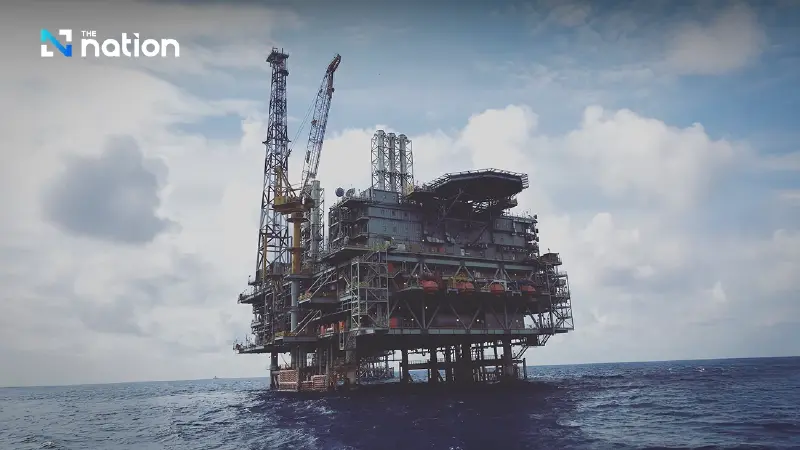


Authorities have established a strict 500-metre exclusion zone around offshore petroleum platforms, warning that any unauthorised entry by sea or air could trigger severe legal action under national security laws.
- Thai authorities have warned that fishing boats and drone operators entering restricted zones around offshore oil rigs face severe legal penalties, including charges of sabotage.
- Vessels are required to maintain a minimum distance of 500 meters from petroleum platforms due to the high risk of catastrophic fires or explosions from accidents.
- Any action by a vessel or drone that risks damage to the facilities is prohibited under the Act on Offences Against Offshore Petroleum Production Facilities.
- The Royal Thai Air Force is prepared to intercept threatening drones, and formal "No-Fly Zone" designations for these areas are expected to be issued soon.
At the Joint Press Centre on the Thailand-Cambodia Border Situation, RAdm Jumpon Nakbua, Spokesperson for the Thai Maritime Enforcement Command Centre (Thai-MECC), addressed on Friday (December 19) media inquiries regarding tourist safety and maritime security during the peak travel season.
The briefing focused on guidelines for tourists and operators in sensitive maritime zones and the potential legal implications of unauthorised drone flights.
Regulations on Recreational Drones and Sensitive Zones
Jumpon stated that while recreational drone use remains permitted in non-restricted public areas, strict regulations apply to sensitive infrastructure.
- Restricted Petroleum Zones: Although some areas may not yet be officially designated as "No-Fly Zones" by aviation authorities, offshore petroleum platforms are strictly protected under the Act on Offences Against Offshore Petroleum Production Facilities.
- Legal Consequences: Any action that risks causing injury or damage to property is prohibited. Legal action will be taken against both the vessels involved and the operators of any aircraft (drones) entering these zones.
- Safety Hazards: These sites are highly sensitive due to flammable materials. A drone crash, caused by battery failure or technical error, could trigger catastrophic fires or explosions.
- Buffer Zones: Fishing boats and tour vessels are advised to maintain a minimum distance of 500 meters from petroleum platforms.
"We request full cooperation: do not sail into or fly drones within these restricted zones. Any damage caused could lead to prosecution under severe charges, including sabotage, which carries heavy penalties for both the vessel owners and drone operators," the Spokesperson added.
Air Force Coordination and Counter-Drone Measures
AM Chakkrit Thammawichai, Spokesperson for the Royal Thai Air Force (RTAF), commented on defensive measures against potential drone threats or sabotage attempts directed at petroleum rigs in the Gulf of Thailand.
- Primary Oversight: The RTAF is currently the lead agency in managing counter-UAV (Unmanned Aerial Vehicle) measures. They are working in continuous coordination with the Civil Aviation Authority of Thailand (CAAT) and other security agencies.
- Defence Readiness: All Air Force wings have implemented both offensive and defensive protocols to intercept drones that threaten national security or high-value assets.
- Future Regulations: Following Thai-MECC’s request for maritime operators to report suspicious behaviour, the CAAT is expected to issue formal "No-Fly Zone" declarations for these high-value areas soon to ensure comprehensive legal protection and enforcement.
The authorities emphasised that strict penalties and legal proceedings will follow for any individuals or entities found in violation of these security protocols.
