
Japan prepares to restart world's biggest nuclear plant, 15 years after Fukushima
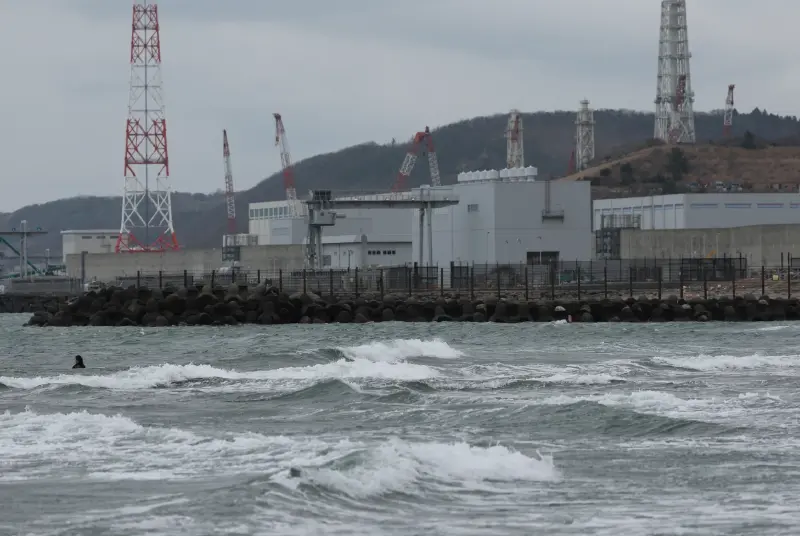


Japan nears restart of the world’s biggest nuclear plant in Niigata, but local unease and Fukushima memories still shadow TEPCO’s plan.
Japan is moving closer to bringing the Kashiwazaki-Kariwa nuclear power station back online, with Niigata prefecture expected to sign off on the restart on Monday, December 22, 2025, a major step in the country’s renewed push for nuclear energy more than a decade after the Fukushima disaster.
The seven-reactor complex, about 220km northwest of Tokyo, is the largest nuclear plant in the world by capacity.
It was among the 54 reactors taken offline after the 2011 earthquake and tsunami triggered a meltdown at Fukushima Daiichi, the worst nuclear accident since Chernobyl.
Japan has since restarted 14 of the 33 reactors that remain operable, as it tries to cut dependence on imported fossil fuels. Kashiwazaki-Kariwa would be the first nuclear restart run by Tokyo Electric Power Company (TEPCO), the utility that operated Fukushima Daiichi.
TEPCO says it is determined not to repeat the past, with spokesperson Masakatsu Takata saying the company is committed to ensuring Niigata residents never face a similar accident again.
If Niigata gives the green light, TEPCO is considering reactivating the first of the plant’s seven units on January 20, according to public broadcaster NHK, though the company has not confirmed a timetable.
Winning public trust remains the biggest obstacle. TEPCO has pledged 100 billion yen over 10 years for the prefecture as part of its bid to secure local support.
Even so, a prefectural survey published in October found 60% of residents believed the conditions for a restart had not been met, and nearly 70% said they were uneasy about TEPCO running the facility.
Among those opposing the move is Ayako Oga, a 52-year-old farmer and anti-nuclear campaigner who relocated to Niigata after fleeing the Fukushima area in 2011, when around 160,000 people were displaced.
Her former home fell within the 20km exclusion zone, and she says the prospect of another restart feels like reliving the fear of that period.
Niigata Governor Hideyo Hanazumi, who backed the restart last month, has also argued Japan should ultimately reduce its reliance on power sources that create public anxiety.
The prefectural assembly is due to hold a confidence vote on Hanazumi, widely seen as a de facto referendum on his stance and the final political hurdle before TEPCO can proceed.
Supporters say the restart is critical for energy security. Japan’s trade ministry estimates that a single Kashiwazaki-Kariwa reactor could lift electricity supply to the Tokyo area by about 2%.
Prime Minister Sanae Takaichi, who took office two months ago, has promoted nuclear restarts as a way to reduce fuel-import costs, with fossil fuels still producing 60%–70% of Japan’s electricity.
Japan spent 10.7 trillion yen last year importing liquefied natural gas and coal, about a tenth of total imports. Despite a shrinking population, officials expect power demand to rise over the next decade due to the growth of energy-intensive AI data centres.
Tokyo has set a goal of raising nuclear power to 20% of the electricity mix by 2040, effectively doubling its share, to help meet both energy-security and decarbonisation targets.
Joshua Ngu of consultancy Wood Mackenzie has described broad public acceptance of the Kashiwazaki-Kariwa restart as a crucial milestone towards those ambitions.
Meanwhile, Kansai Electric Power said in July it would begin surveys for a reactor in western Japan, the first step towards a new unit since Fukushima.
(Exchange rate in the material provided: $1 = 155.92 yen.)
Reuters
