
Thailand’s THB3.45 Trillion Property Waste: 1.6 Million Homes Lie Empty Amid Housing Crisis
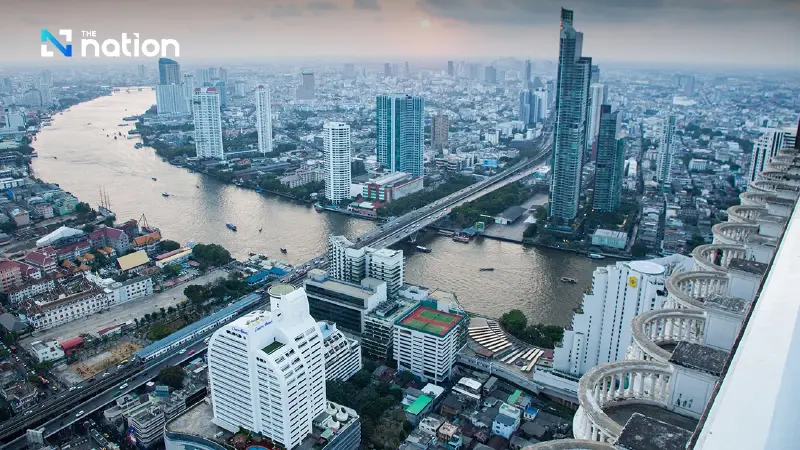


Over-speculation in the condo market has resulted in one in four new units being vacant, with experts calling for a new tax on empty properties to spur sales
- Thailand has 1.64 million unoccupied homes, representing an economic waste valued at 3.45 trillion baht, a figure comparable to the nation's annual budget.
- The crisis is driven by over-speculation, particularly in the condominium market where nearly one in four units is vacant, with the Bangkok metropolitan area being the most affected region.
- This surplus housing stock signals market instability and could potentially undermine the financial stability of lending institutions.
- Experts propose implementing a new tax on empty properties to incentivize owners to sell or rent them, which could increase housing affordability.
Over-speculation in the condo market has resulted in one in four new units being vacant, with experts calling for a new tax on empty properties to spur sales.
A staggering 1.64 million housing units across Thailand are lying empty, representing a colossal economic waste valued at approximately 3.45 trillion baht—a figure nearly equivalent to the nation’s annual budget.
According to a survey by the Thai Real Estate Research and Valuation Centre (AREA), this "ghost housing" crisis is heavily concentrated in the Bangkok metropolitan area, where more than 730,000 units are unoccupied, primarily due to aggressive market speculation.
The problem is most acute in the condominium market. AREA defines a vacant unit as one that is completed and ready for sale but has no resident, indicated by extremely low electricity consumption.
- Condos account for 58% of all vacant homes in the Bangkok area.
- The vacancy rate for condos stands at a critical 24.8%, meaning almost one in every four units is standing empty.
- Low-cost units are particularly vulnerable: condos priced under 500,000 baht have a 21.1% vacancy rate, often deteriorating quickly due to poor collection of maintenance fees.
While detached houses and townhouses have much lower vacancy rates, the overall surplus of housing stock signals instability.
Experts warn that excessive speculation makes it difficult to sell new developments and could eventually undermine the financial stability of lending institutions.
"The total value of these vacant homes is estimated at 3.45 trillion baht. This is a clear economic waste, especially if those homes are not properly utilised and begin to depreciate," the report stated.
Currently, Thai law does not adequately penalise property owners for keeping completed units vacant.
The report suggests that implementing a Land and Building Tax specifically targeting unoccupied housing units is the most viable solution. Taxing these empty homes would:
Incentivise Sales: Encourage owners to sell or rent out the units quickly, likely at reduced prices.
Increase Affordability: Make housing more accessible for citizens who currently face barriers to ownership.
Stimulate Economy: Bring properties back into active use, boosting the local economy and community development.
The unoccupied homes are split roughly equally between the Bangkok region (730,000 units) and the rest of the country (900,000 units). Until a strong policy intervention is introduced, this vast reservoir of idle assets will continue to weigh down Thailand's economic potential.
