
Two Thai soldiers killed in Cambodia’s intensified bombardment of Hill 350
Two Thai soldiers died while defending Hill 350 in Surin after Cambodia escalated its attacks. The Thai military confirmed the casualties, bringing the death toll to 19 since December 8.
The Defence Ministry and Royal Thai Army confirmed on Wednesday that two Thai soldiers were killed on Tuesday while defending Hill 350 in Surin’s border after Cambodian troops intensified attacks on the hill.
Casualties Confirmed in Ongoing Conflict
In the daily briefing at the joint press centre for Thai-Cambodian affairs at 10 am, spokesmen from the Defence Ministry and the Royal Thai Army (RTA) confirmed the deaths of two soldiers who were defending Hill 350 near Prasat Ta Kwai in Surin’s Phanom Dong Rak district.
Thai troops had recently recaptured Hill 350, located 350 metres above sea level, and were maintaining their position to prevent Cambodia from using the hill to attack Prasat Ta Kwai.
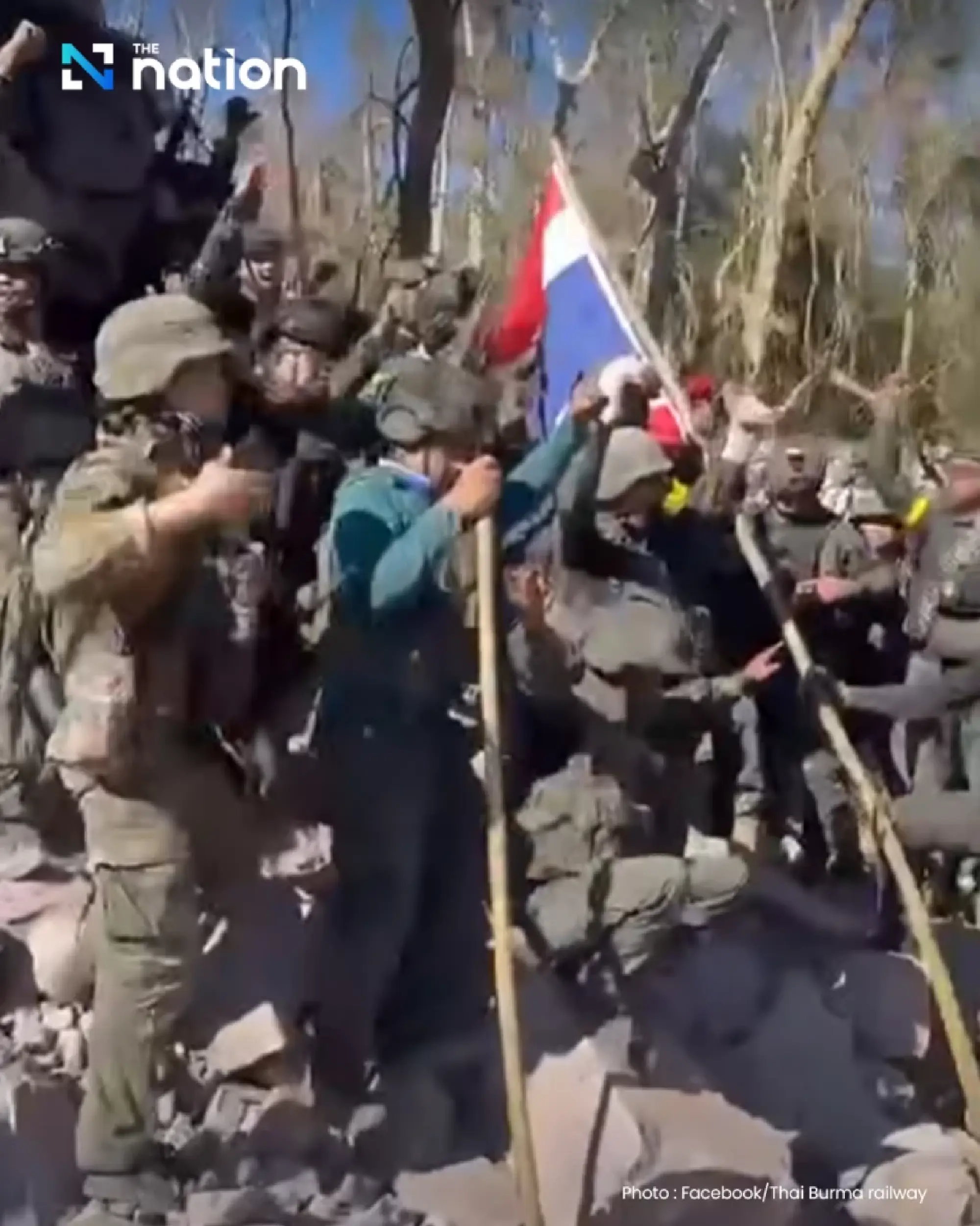

Identifying the Fallen Heroes
The Second Army Area reported on its Facebook page at 9.53 pm that two Thai soldiers had been killed during Cambodia’s intensified bombardment of Hill 350. The soldiers were identified as Sgt Maj 1st Class Samrerng Klungprakone and Pvt Phanupat Saosa.
At 10.20 pm, the Royal Thai Armed Forces Headquarters confirmed that the death toll of Thai soldiers had risen to 19 since the December 8 clashes.
Intense Bombardment and Continued Clashes
Rear Adm Surasant Kongsiri, Defence Ministry spokesman, told the press that Cambodia continued attacking Thai border areas with heavy fire support weapons throughout Tuesday evening and Wednesday morning. He confirmed that the bombardment of Hill 350 resulted in the deaths of two Thai soldiers, but Thai forces still maintained their position on the hill.

RTA deputy spokesman Col Ritcha Suksuwanont explained that the battle to reclaim Hill 350 was difficult as Cambodian troops had fortified their position atop the hill. After Thai forces successfully captured the hill, Cambodia intensified its artillery bombardment, leading to the two fatalities.
Ritcha confirmed that fierce fighting continued on Wednesday, making it difficult for Thai forces to retrieve the bodies of the fallen soldiers. He also denied reports claiming that Thai soldiers had been captured by Cambodian forces.
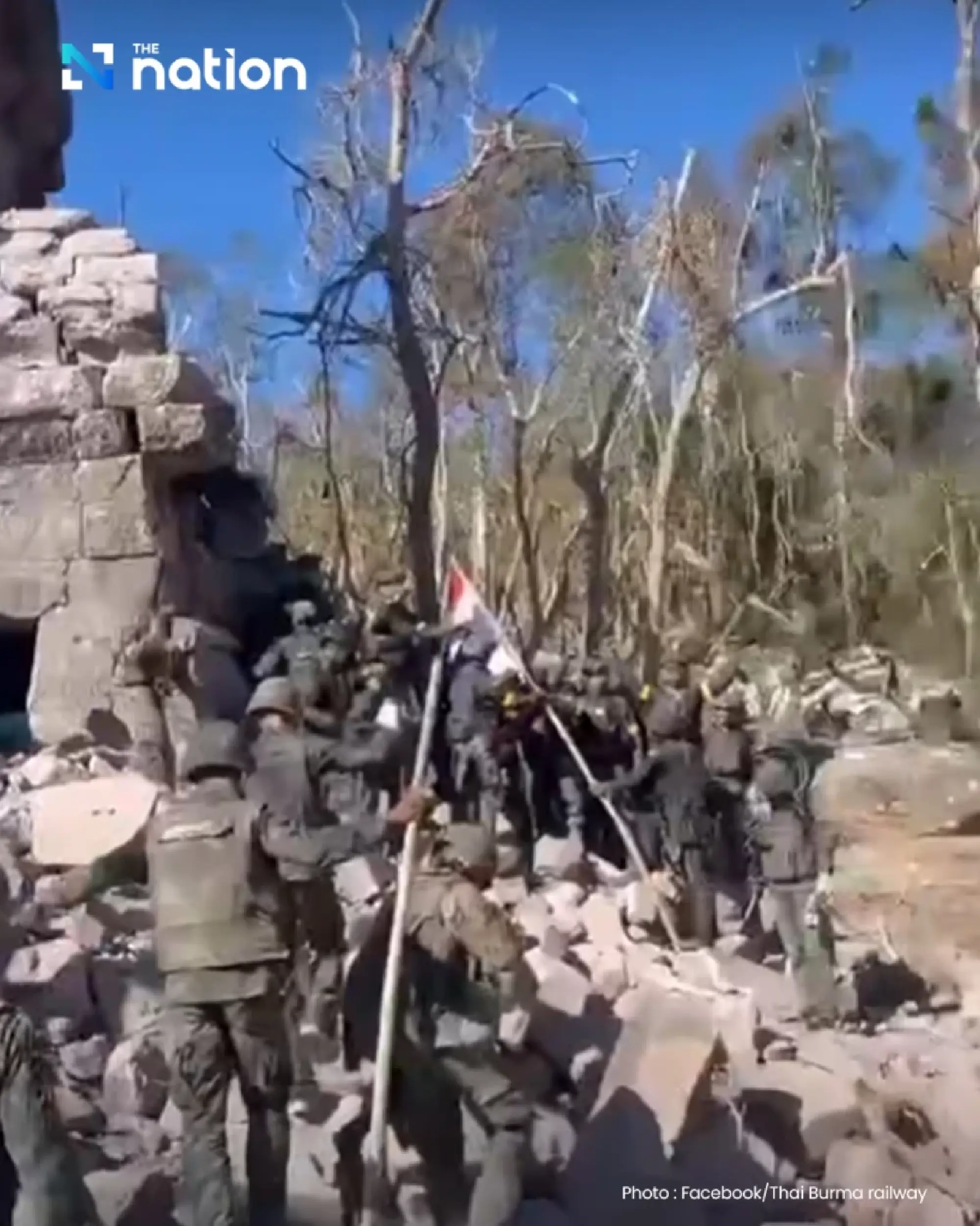

Cambodian Attacks Intensify Across the Border
Surasant stated that Cambodia had escalated its attacks along several other fronts, including at Chong An Ma. However, he confirmed that Thai troops had managed to push Cambodian forces back from the area.
The situation remained tense at Ban Nong Ya Kaeo and Ban Nong Chan areas in Sa Kaeo’s Khok Sung district, where Cambodia used heavy weapons. Thai forces successfully repelled Cambodian troops from these villages.
Meanwhile, in Trat, the military lifted the curfew after the fighting eased, but Cambodian troops renewed artillery bombardments on the border areas on Tuesday night.
Thailand's Right to Defend Its Sovereignty
Col Ritcha reiterated that Thai forces were not invading Cambodian territory but were defending against Cambodian aggression. He emphasized that Thailand had to recapture areas occupied by Cambodian troops to safeguard its sovereignty.
“We had to recapture our areas within our sovereignty because they seized positions that would give them an advantage to attack us. Not only would soldiers be harmed, but civilians would also suffer,” Ritcha said. “If they continue to attack, we will continue to defend ourselves.”
Legal Justification for Thailand's Use of Force
Surasant added that Thailand would consider using anti-tank missiles seized from Cambodia, although he did not provide further details.
Phattharaphong Saengkrai, a lecturer at the Faculty of Law, Thammasat University, discussed Thailand’s legal justification for the use of force in self-defense. He outlined four key principles of military action in accordance with international law:
- Response to Armed Attack: Military force must be in response to an armed attack to stop or prevent an ongoing or imminent threat.
- Necessity of Force: The use of force must be necessary, with no other means available to avoid the situation.
- Proportionality: The military force used must be proportionate to the threat posed by the attack.
- Notification to the UN: Notification of the use of force must be made to the UN Security Council.
Saengkrai stressed that the use of military weaponry must follow key principles, including the necessity of action, humanitarian considerations, and the distinction between combatants and civilians.
He concluded that Thailand’s official explanation, as provided to the UN Security Council, clearly outlines the facts surrounding its military actions.
