
US-Iran deal nears as Hormuz tensions flare again
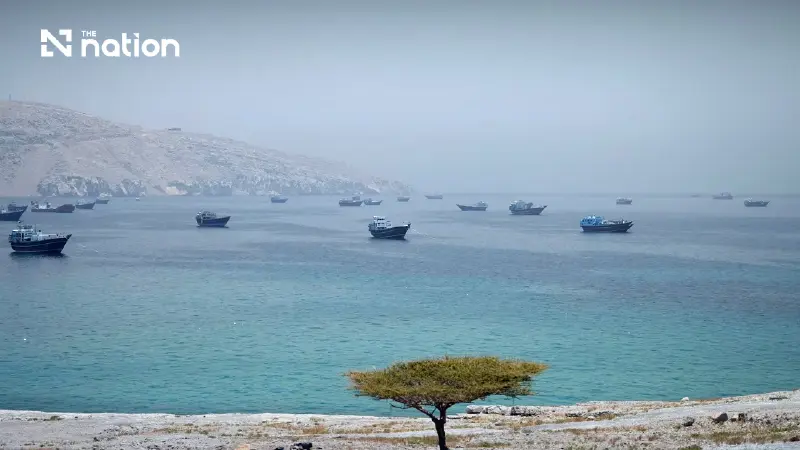


The US and Iran say a deal is close, but fresh drone activity near the Strait of Hormuz shows tensions remain high despite diplomatic progress
- The US and Iran say an initial agreement may be close.
- The draft deal centres on reopening the Strait of Hormuz and easing the US naval blockade.
- Iran’s nuclear programme would be addressed in a further 60-day technical negotiation period.
- US forces shot down Iranian drones near the Strait of Hormuz despite diplomatic progress.
- Israel says it will not be party to the agreement.
- Oil prices fell and global stocks rose after signs of a possible deal.
The United States and Iran have signalled that an initial agreement to end their conflict may be close, even as fresh military action near the Strait of Hormuz highlighted the fragility of the emerging diplomatic breakthrough.
Washington and Tehran have both indicated progress after weeks of negotiations over some of the most difficult issues, including the future of Iran’s nuclear programme, sanctions relief and control of the Strait of Hormuz, one of the world’s most important energy routes.
A senior US administration official said both sides had agreed on a text and that Washington expected an initial deal to be signed in the coming days. The official said the proposed agreement met President Donald Trump’s core objectives and placed negotiations “in a very, very good place”.
Iranian Foreign Minister Abbas Araghchi said changes to the agreement were still possible, but suggested that the tentative deal showed Iran had emerged stronger from the conflict.
“Iran is the winner of the war with the US,” he said on state television.
White House had sent a positive signal about the possible agreement, expressing confidence that it would receive support from both Iranian and Israeli leaders. However, it remained unclear whether Iran’s Supreme Leader had formally approved the deal.

President Trump has said he is confident that Iran’s Supreme Leader has given approval. Iran’s Foreign Ministry has also indicated that a framework agreement is close, saying most issues have been settled and the final text is nearing completion.
Despite the signs of progress, tensions flared again near the Strait of Hormuz. Reuters reported that US forces shot down multiple Iranian one-way attack drones heading towards the waterway. A source familiar with the matter said the drones posed a threat to commercial traffic. US Central Command later confirmed the action and said the strait remained open.

The proposed memorandum of understanding would call for the reopening of the Strait of Hormuz and the lifting of the US naval blockade on Iranian ports, according to sources on all sides of the talks.
The Strait of Hormuz is central to the negotiations because it was, before the war, a key route for around one-fifth of the world’s oil and gas supply.
Iranian officials have said the waterway will not return to its pre-war status. Araqchi said Iran and Oman would retain control of traffic through the strait, adding that Iran would not collect transit tolls but would instead collect a “service fee”.
“Our sword will always hang over the Strait of Hormuz,” he said.
The next stage would involve a further 60 days of technical negotiations on implementation and unresolved issues. US officials have said those talks would address Iran’s nuclear programme, which Trump has described as the central reason for launching the war.
A US official said the agreement would ultimately lead to the dismantling of Iran’s nuclear programme, with its stockpile of highly enriched uranium destroyed and removed. However, Araqchi said Iran wanted to retain the uranium in diluted form, while sources said Tehran had not accepted the dismantling of its nuclear programme.
Draft terms described to Reuters by multiple sources indicate that the US would begin releasing billions of dollars in frozen Iranian assets and waive sanctions on Iranian oil exports in return for Tehran reopening the strait.
The proposals also include discussion of possible war reparations for Iran and the dropping of long-standing US demands for limits on Iran’s missile programme, according to sources cited by Reuters. A US official disputed that account, insisting that no Iranian funds would be released until Tehran performed under the agreement.
“This is a performance-based deal,” the US official said.
Pakistan has played a mediating role in the talks. A Western source said the agreement could be signed as soon as Sunday, with Geneva seen as the most likely venue. Araqchi has suggested that the signing could take place remotely before the deal is formally announced.
Pakistani Foreign Minister Ishaq Dar and Swiss Foreign Minister Ignazio Cassis spoke on Saturday and welcomed progress in the negotiations, according to Pakistan’s Foreign Ministry.
Israel, however, has made clear that it will not be party to the agreement.
Israeli Prime Minister Benjamin Netanyahu said Israel would not join the memorandum. The Israeli government has clashed with Washington in recent weeks over US pressure for Israel to curb military action in Lebanon to give diplomacy with Iran room to advance.
Araqchi said the agreement would also help end the war in Lebanon and implied that it would involve an Israeli withdrawal from occupied areas. Israel’s defence minister rejected any withdrawal, while a senior Israeli official said Israel expected to retain freedom to act against threats.
The diplomatic progress has already affected global markets. Stock markets rose and oil prices fell after signs that an agreement was near. Brent crude dropped more than 3% to its lowest level in nearly two months.
The conflict has become a political challenge for the White House as fuel prices have risen and Trump’s approval ratings have weakened. Some Republicans have voiced concern that the war’s unpopularity could affect the party’s chances in the November midterm elections.
At the same time, any agreement seen as too favourable to Iran could face resistance from Trump’s own party.
For now, the emerging deal offers the strongest sign yet that Washington and Tehran may be moving away from open conflict. But the drone incident near the Strait of Hormuz shows that the path towards a final settlement remains uncertain, with diplomacy and military risk still moving side by side.
