
Pheu Thai sets out 10 economic policy ideas ahead of 2026 election


Pheu Thai party says it will shift the state towards a more transparent “service” model, with standardised licensing and greater public access to budget and procurement information.
- The Pheu Thai plans to restore fiscal discipline and stability to improve Thailand's credit rating.
- Key policies include empowering citizens with direct stimulus (money or vouchers), implementing a comprehensive debt reset program, and investing in human capital.
- The framework aims to attract foreign capital by reforming laws and taxes, while also reducing the cost burden on households and businesses.
- A central goal is to transition Thailand to a high-value economy by boosting productivity and technology, such as AI, and moving the informal economy into the formal system.
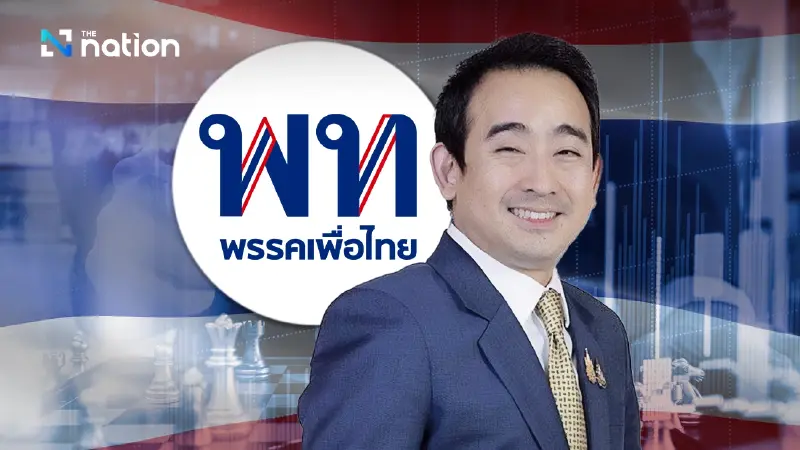
Former deputy finance minister and Deputy leader of the Pheu Thai Party, Paopoom Rojanasakul, outlined on Sunday (December 21) the party’s economic policy framework ahead of its gradual rollout of election pledges.
He said the platform is built around 10 core principles:
1. Restore economic balance and fiscal discipline
Reduce the budget deficit and strengthen fiscal stability to improve Thailand’s sovereign credit rating.
2. Put “rights” in people’s hands through demand-side stimulus
Let citizens hold money or vouchers to choose and access public services directly, shifting spending away from agency-led procurement towards citizen-directed entitlements.
3. Reward good debt, help bad debt
Deliver a comprehensive, system-wide debt reset covering all groups, with a focus on chronic non-performing debt to help borrowers get back on their feet.
4. Go beyond spending, unlock laws and tax rules to attract capital
Use regulatory and tax reforms to draw in legitimate foreign funds and circulate them in the Thai economy, with public investment designed to crowd in private investment.
5. “Turn assets into capital” remains key
State assets and state land should generate income rather than sit idle, with mechanisms for public participation in investment.
6. Invest in human capital through direct support
Provide benefits directly to individuals, without intermediaries, so they can upskill in priority sectors aligned with national development goals.
7. Shift from a “controlling state” to a “service state”
Licensing should be rule-based and standardised rather than dependent on officials’ discretion. The public should be able to access information on budgets, project status, and procurement to strengthen transparency.
8. Build a high-value economy, quality over quantity
As Thailand ages and the workforce shrinks, productivity must rise through higher labour efficiency and technological upgrading, especially in AI.
9. Bring the underground economy above ground
Move informal and off-the-books activity into the formal system to expand lawful employment.
10. Cut the cost burden on households and businesses
Lower everyday living costs, healthcare, insurance for at-risk groups, travel, electricity, and reduced production costs across the business sector. The tax system should support entrepreneurs, especially SMEs, and the state should become a larger customer for SMEs.
Paopoom said these principles form the framework Pheu Thai is using to design its policy package, adding that the party’s proposals will be unveiled soon.
